Classic Lucky Horseshoe Embroidery Design Review
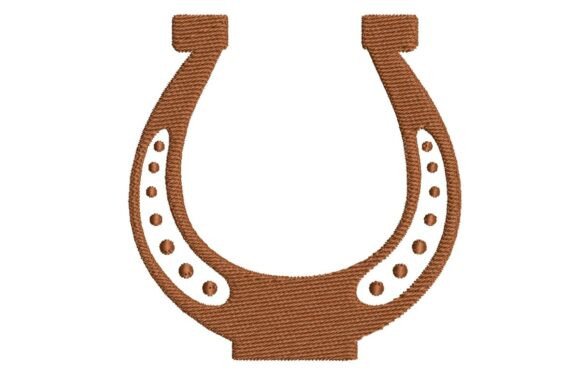
As a professional embroidery designer who has spent years refining stitch files for boutique brands, I approach every new asset with a critical eye. Today, I am evaluating the Classic Lucky Horseshoe Embroidery Design for an upcoming limited sweatshirt drop for a small online shop. This isn't just about downloading a file; it is about understanding how a digital asset translates into a tangible, high-quality finished product that builds brand trust. The description promises a charming traditional horseshoe rendered in warm, textured brown with lighter beige or cream accents. Let's dive into whether this design holds up under the scrutiny of commercial embroidery.
First Impressions: Mood and Stitching Personality
The moment I open the preview of the Classic Lucky Horseshoe Embroidery Design, the aesthetic intent becomes clear. It leans heavily into a rustic yet polished vibe, perfectly fitting the Cowboy category without feeling cliché. The use of warm, textured brown suggests a satin stitch or a dense fill that mimics leather or wood grain, while the lighter beige or cream-colored outlines provide necessary definition. For a handmade product, this color palette is incredibly versatile. It avoids the neon brightness often seen in mass-market apparel, opting instead for tones that signal quality and heritage.
The layout appears balanced, which is crucial when scaling designs for different garment sizes. A horseshoe is a simple shape, but the devil is in the details. If the texture is too heavy, it can cause puckering on soft fabrics. However, the description implies a "charming" rendering, suggesting the stitch density is managed to keep the design flexible. This flexibility is vital for sweatshirt embroidery, where the fabric moves with the wearer. The stitching personality feels decorative yet grounded, making it suitable for both casual streetwear and slightly more elevated boutique merchandise.
Fabric Pairing: From Neutral Sweatshirts to Pastels
When planning a collection, I always test how a machine embroidery design interacts with various fabric textures. The Classic Lucky Horseshoe Embroidery Design seems particularly well-suited for neutral sweatshirts. Imagine the warm brown standing out against a heather grey or oatmeal fleece; the contrast would be subtle but sophisticated. On dark fabric, such as charcoal or navy, the beige accents would pop, ensuring the design remains readable even from a distance.
For those exploring pastel colors, the earthy tones of the horseshoe could create a delightful, unexpected juxtaposition. Placing this hoodie design on a soft sage green or blush pink sweatshirt would soften the rustic edge, making it feel more feminine and playful. This versatility allows a small shop product to appeal to a wider demographic. Whether the goal is a cozy seasonal apparel line or a year-round staple, the design adapts well. However, on very thin fabrics, the stitch density might require careful consideration to prevent the backside of the embroidery from showing through.
Placement Strategies for Maximum Impact
- Chest Placement: For a classic look, centering the design on the left chest creates a premium, branded feel. It acts as a subtle signature for the boutique brand.
- Sleeve Accents: Scaling the design down for a sleeve accent offers a modern twist. It works beautifully on oversized hoodies, adding detail without overwhelming the silhouette.
- Back Designs: For a bold statement, placing a larger version on the upper back can serve as a focal point, especially if paired with minimal front branding.
- Lifestyle Photography: The warm tones photograph exceptionally well in natural light, enhancing the visual recognition of your custom apparel in social media feeds.
Technical Evaluation: Designer Concerns and Production Reality
Moving beyond aesthetics, we must address the practicalities of production. As an Etsy seller or apparel decorator, you know that a beautiful digital file means nothing if it doesn't stitch cleanly. The first concern is thread color contrast. The combination of brown and cream requires precise registration. If the machine shifts slightly, the beige outline could bleed into the brown fill, muddying the image. Always run a test stitch on a scrap piece of the actual fabric you intend to use.
Stitch density is another critical factor. Sweatshirts have a looped pile that can hide stitches, but too much density will make the design stiff and uncomfortable. Since the description mentions a "textured" brown, I suspect the file uses a mix of fill and running stitches. Ensure the stabilizer choice matches the fabric thickness. A cut-away stabilizer is usually best for sweatshirts to support the weight of the embroidery and ensure washing durability. Without proper stabilization, the design may pucker over time, ruining the professional presentation.
Hoop placement also matters. When working with oversized hoodies, hooping the chest area can sometimes distort the neckline. Using a floating hoop technique or a magnetic hoop frame might yield better results for this specific design. Additionally, check the small-size readability. If you plan to offer this as a sleeve patch, verify that the intricate texture of the horseshoe does not disappear when scaled down below 3 inches.
Commercial Viability and Brand Identity
Using the Classic Lucky Horseshoe Embroidery Design can significantly affect product value. In the world of handmade goods, customers are willing to pay a premium for items that feel unique and well-crafted. This design elevates a standard sweatshirt into a collectible item. The symbolism of the horseshoe adds a layer of meaning—good luck—which resonates emotionally with buyers looking for gifts or personal talismans.
For a boutique brand, consistency is key. Incorporating this embroidery file into your lineup helps establish a cohesive visual identity. Whether you are creating printable mockups for your website or designing physical samples, the design assets should reflect your brand's story. If your brand focuses on comfort, nostalgia, or Western-inspired style, this design fits naturally. It encourages customer engagement because the motif is universally recognized yet presented in a fresh, artisanal way.
However, before committing to a full production run, remember to verify the license terms. Not all digital embroidery files allow for unlimited commercial use. Some restrict the number of items you can sell or require attribution. Ensure you have the right permissions to use this design for your small shop product. Also, double-check the file format compatibility with your specific embroidery machine software to avoid conversion errors that could alter the stitch path.
Final Verdict for Creative Entrepreneurs
The Classic Lucky Horseshoe Embroidery Design is a strong contender for any creative entrepreneur looking to expand their custom apparel offerings. It strikes a balance between rustic charm and modern application, making it ideal for hoodie designs and sweatshirt collections. While it requires attention to stabilizer choice and thread tension to achieve that premium finish, the potential payoff in terms of buyer trust and aesthetic appeal is high.
For the small clothing brands and crafters reading this, this design represents an opportunity to create something timeless. It is not just a pattern; it is a conversation starter. By paying attention to the technical details of hoop size, fabric texture, and stitch execution, you can transform this digital file into a standout piece of wearable art. Whether displayed in an Etsy listing or worn by a loyal customer, the Classic Lucky Horseshoe stands as a testament to the enduring power of thoughtful, handcrafted design.