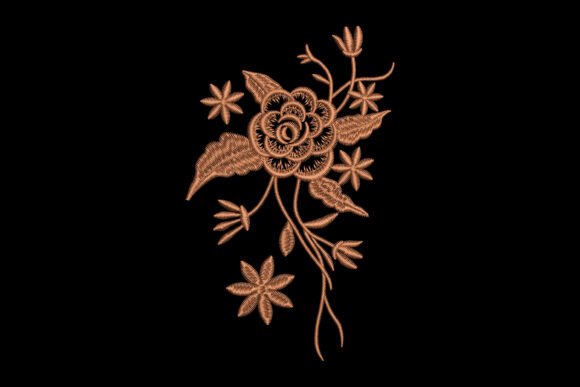
Copper Rose Vine Embroidery Design Review
As an embroidery designer who has spent years translating digital files into tangible brand assets, I approach every new design with a critical eye. When I first opened the Copper Rose Vine Embroidery file, my immediate reaction was one of appreciation for its sophisticated aesthetic. This is not a generic floral clipart; it is a carefully constructed machine embroidery design that balances organic movement with structural integrity. For small business owners, Etsy sellers, and apparel decorators looking to elevate their merchandise, this piece offers a unique opportunity to infuse warmth and elegance into your product line.
First Impressions: Elegance Meets Brand Identity
The visual personality of Copper Rose Vine Embroidery is distinct. The winding rose vines rendered in warm copper tones immediately signal a brand identity that values craftsmanship and timeless style. Unlike bright, neon florals that can feel playful or juvenile, the copper palette suggests maturity and premium quality. This makes it an excellent candidate for boutiques, high-end bakeries, florists, and creative studios that want their branding to feel curated rather than mass-produced.
In the category of Single Flowers, this design stands out because of its vine structure. It does not just sit on the fabric; it flows. This dynamic quality is crucial for custom apparel where you want the logo or accent to interact with the garment's lines. Whether applied as a chest logo on a staff uniform or as a subtle detail on a tote bag, the graceful leaves and intricate petals create a sense of movement that static logos often lack. For a handmade brand, this level of detail communicates to the customer that you care about the finer points of your presentation.
Real-World Application in Small Business Merch
When evaluating a digital embroidery file for commercial use, I always ask: where does this work best? Copper Rose Vine Embroidery is incredibly versatile, but its strength lies in specific applications where texture and color can shine.
- Embroidered Patches: This design is ideal for creating detachable patches. The copper tones pop beautifully against denim jackets, canvas aprons, or heavy cotton tote bags. A patch allows customers to customize their own gear, adding a layer of engagement to your brand.
- Apron Embroidery: For cafés and bakeries, placing this vine on the bib of a chef's apron adds a touch of rustic charm without being overwhelming. It frames the workspace with a natural element that feels welcoming.
- Cap Embroidery: While caps require careful sizing, the flowing nature of the vine works well on the side panel or the back strap of a cap, offering a more artistic alternative to a standard front logo.
- Tote Bag Design: On a large canvas tote, the design can be scaled up to become a statement piece. The contrast of copper thread against natural beige or dark brown canvas creates a striking visual that elevates a simple shopping bag into a fashion accessory.
- Product Labels: For clothing brands, a smaller version of the vine could serve as a woven label accent or a direct stitch on the hemline, signaling attention to detail.
These applications demonstrate how a single embroidery file can serve multiple facets of a business, from employee uniforms to customer gifts. The consistency of the design across different products helps build visual recognition, which is the cornerstone of strong brand identity.
Navigating Technical Challenges and Limitations
While Copper Rose Vine Embroidery is beautiful, professional application requires understanding its limitations. As a designer, I must warn against using this intricate pattern in scenarios where detail might be lost. High stitch density is necessary to achieve the smooth gradients of the copper petals, but this can lead to puckering on lightweight fabrics if not managed correctly.
There are specific areas where caution is advised:
- Small Patch Sizes: If you attempt to shrink this design too much for a tiny button or a very small pocket patch, the intricate petals may blur together. The definition of the leaves relies on space to breathe.
- Curved Surfaces: While the vine flows naturally, extreme curvature on items like baseball caps can distort the geometry of the flowers. Always test on a curved surface before committing to a bulk run.
- Fabric Texture: Heavily textured fabrics, such as thick fleece or boucle, can interfere with the fine details of the vine. The stabilizer choice becomes even more critical here to ensure the stitches lay flat.
- Dark Uniforms: While copper looks stunning, the base fabric matters. On black or navy uniforms, the copper thread needs sufficient underlay to prevent the dark fabric from showing through the lighter metallic tones.
Furthermore, items that undergo frequent industrial washing will require a robust setup. The delicate outlines of the petals need to be secured properly to prevent fraying over time. Always confirm the hoop size required for the full design; if your machine has a limited throat space, you may need to split the design, which can affect the seamlessness of the vine.
Practical Designer Notes for Production
Before you integrate Copper Rose Vine Embroidery into your commercial embroidery projects, follow these practical steps to ensure a flawless finished product.
Test in Black and White First: Before buying expensive copper threads, run a test in black or white. This allows you to evaluate the stitch path, spacing, and overall shape without the distraction of color. Check if the design holds up at your intended size.
Review Thread Color Contrast: Copper is a complex color. Ensure it contrasts well with your fabric. If the background is too similar in tone, the design will disappear. Use a printable mockup to visualize the final look on your specific merchandise before stitching.
Inspect Spacing and Density: Look closely at the junctions between the petals and the stem. If the stitch density is too high, the fabric may pucker. If it is too low, the fabric may show through. Adjustments in your digitizing software or machine settings may be necessary.
Use Proper Stabilizer: For this type of detailed floral work, a cutaway stabilizer is often superior to tear-away, especially on knits or stretchy fabrics. It provides the long-term support needed to keep the intricate leaves from distorting after washing.
Confirm Licensing: Finally, as a business owner, always verify the commercial licensing terms of the digital embroidery file. Ensure you have the right to use this design on merchandise for sale. Using unlicensed assets can lead to legal issues that damage your brand reputation.
Impact on Customer Trust and Value
Ultimately, the decision to use Copper Rose Vine Embroidery goes beyond aesthetics; it is a strategic move for your brand. In a market saturated with screen-printed logos, high-quality embroidery signals durability and value. Customers associate embroidered goods with longevity and premium status. When a client sees a tote bag or a cap adorned with such a sophisticated design, their perception of your entire brand shifts upward.
This design asset helps you stand out in crowded marketplaces like Etsy or local craft fairs. It transforms a standard item into a collectible piece of art. By investing in quality design assets like this, you are not just selling a product; you are selling an experience and a feeling of exclusivity. The copper tones evoke a sense of autumnal warmth and vintage charm, resonating emotionally with buyers who appreciate handmade, thoughtful details.
For small business merch creators, the key is consistency. Using Copper Rose Vine Embroidery across your staff uniforms, packaging accents, and customer giveaways creates a cohesive visual language. It tells a story of a brand that is rooted in nature, elegance, and quality. Whether you are decorating a single custom shirt or producing a run of branded patches, this embroidery file offers the perfect blend of artistry and functionality to elevate your business presence.