Coquette Cherry Embroidery Design Review
As a designer who has spent years navigating the delicate balance between whimsical aesthetics and functional machine embroidery, I approach every new machine embroidery design with a critical eye. The market is flooded with digital assets that look stunning on a screen but struggle to translate onto fabric. Today, I am putting the Coquette Cherry Embroidery Design through its paces to see if it holds up under the scrutiny of real-world application. This isn't just about whether the file downloads correctly; it is about how this specific motif performs when you are building a brand, fulfilling a custom order, or creating a handmade product for your local craft fair.
The First Impression: Whimsy Meets Structure
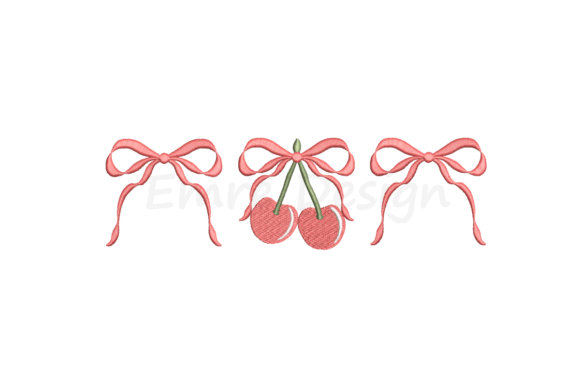
When I first opened the preview for the Coquette Cherry Embroidery Design, the immediate mood was one of playful elegance. It captures that "coquette" aesthetic perfectly—soft, romantic, yet with a distinct pop of character provided by the cherries. In the world of Summer collections, designs often lean too heavily into bright neons or chaotic patterns. This piece stands out because it feels curated. The layout suggests a balanced composition where the fruit elements anchor the softer, perhaps ribbon-like or floral, components typical of the coquette style.
For an Etsy seller or boutique owner, visual personality is currency. This design offers a narrative. It doesn't just say "fruit"; it says "sweetness," "charm," and "handmade care." The level of detail appears sufficient to hold interest without becoming so dense that it causes stitching issues on standard home machines. However, the true test lies not in the digital preview, but in how the stitch density and thread flow behave on actual textiles.
A Real-World Scenario: The Custom Tote Bag Project
To truly evaluate this asset, I imagined a specific project: a high-quality canvas tote bag for a small shop specializing in sustainable goods. The goal is to create a limited-run item that feels premium and giftable. I would place the Coquette Cherry Embroidery Design slightly off-center on the front panel. Here, the whimsical nature of the design works in our favor. Unlike a rigid logo, this organic shape allows for slight variations in placement without looking "wrong."
In this scenario, the contrast becomes key. On a natural beige canvas, using deep reds for the cherries and soft pinks or creams for the accents would make the design pop. The fill stitch areas need to be substantial enough to cover the weave of the canvas, while any satin stitch borders must be tight enough to prevent snagging. If the design relies heavily on fine lines for the stems or leaves, I would immediately consider increasing the hoop tension or using a heavier weight stabilizer to ensure those details don't get lost in the fabric texture. For a finished product like this, customer trust is built on the perception of quality. A dropped stitch or a fuzzy outline can ruin the illusion of craftsmanship.
Navigating Fabric Challenges and Placement
While the Coquette Cherry Embroidery Design is versatile, it is not a "one-size-fits-all" solution. As experienced decorators know, the substrate dictates the success of the embroidery. I would exercise caution when attempting this design on thin fabrics like lightweight t-shirts or stretchy jersey knits. The density required to render the cherry details clearly could cause puckering if the wrong stabilizer is used. In these cases, a cut-away stabilizer is non-negotiable to support the weight of the threads during wear and washing.
Furthermore, curved surfaces present a unique challenge. If you are considering using this as a cap patch or on a sweatshirt sleeve, the curvature of the surface might distort the delicate features of the cherries. On a flat pillow cover or a kitchen towel, the design breathes freely. However, on a rounded baseball cap, the top of the cherry cluster might compress, potentially blurring the definition between the fruit and the background. Always test the design on scrap fabric that mimics the final product's texture before committing to a client's garment.
Visual Appeal and Commercial Viability
From a branding perspective, this design elevates the perceived value of a basic item. A plain white apron becomes a statement piece with this motif. For personalized gifts, such as baby clothes or nursery decor, the soft color palette inherent in the coquette style makes it instantly appealing to parents. It bridges the gap between trendy and timeless.
However, for commercial use, clarity is paramount. When scaling down for a small embroidered patch, the intricate details of the Coquette Cherry Embroidery Design might become indistinct. I recommend reviewing the hoop size requirements carefully. If the design is intended for a 4x4 inch hoop, it may lose its charm if shrunk to fit a 2x2 area. The running stitch outlines need space to define the shapes. If the lines are too close together, they will merge, resulting in a muddy appearance that detracts from the professional finish.
Practical Designer Notes for Success
Before integrating this embroidery file into your workflow, there are several practical steps to take. First, always run a test stitch on a scrap of your intended fabric. Check the thread colors against the background; what looks vibrant on a screen might appear dull on dark denim or neon yellow cotton. Second, inspect the small details. Are the highlights on the cherries clear? Do the leaf veins stand out? If not, you may need to adjust the stitch count or modify the file in your digitizing software.
Consider the lighting conditions of your workspace and your mockups. Test the design in black and white printable mockups to ensure the contrast holds up even without color. This is crucial for online listings where customers cannot touch the product. Additionally, verify the licensing terms. While many designs allow for personal use, selling finished items containing the Coquette Cherry Embroidery Design often requires a commercial license. Never assume; check the terms to protect your craft business from legal issues.
Final Verdict on the Coquette Cherry Embroidery Design
The Coquette Cherry Embroidery Design is a strong contender for anyone looking to add a touch of seasonal charm to their portfolio. It excels in applications where softness and detail are celebrated, such as home decor, tote bags, and light apparel. It is less suited for heavy-duty workwear or extremely small-scale applications without modification. By respecting the limitations of fabric texture and stitch density, and by investing time in proper stabilization and testing, this design can become a standout asset in your collection.
Whether you are a hobbyist making holiday gifts or a small shop product creator building a brand, the key to success lies in execution. This design provides the artistic foundation; your skill in preparation and stitching will determine the final result. With careful attention to detail, the Coquette Cherry Embroidery Design can transform simple fabrics into cherished, personalized treasures that customers will love to display and wear.