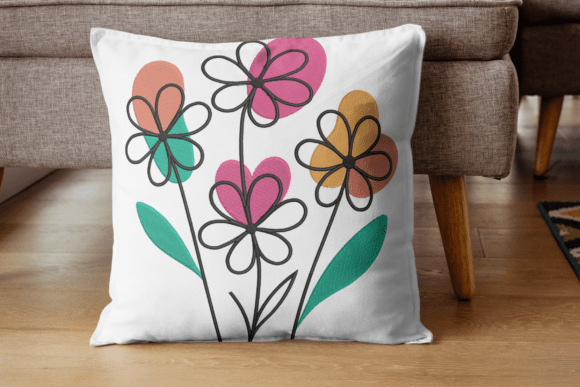
Flower Embroidery Design-Digital File Review
As I set up my booth for the upcoming weekend craft fair, the table is a chaotic mix of half-finished projects, spools of thread, and potential bestsellers. My goal is simple: create products that stop customers in their tracks and justify a premium price point. Today, I am putting the Flower Embroidery Design-Digital File to the test. This specific design falls into the Single Flowers category, promising to add a touch of floral elegance to various handmade items. Before I commit hours of machine time and fabric costs, I need to know if this digital asset will translate into a profitable craft fair product or if it will get lost in the crowd.
First Impressions: Elegance Meets Market Appeal
When I first opened the preview of this machine embroidery design, the vibe was immediately clear. It feels soft, decorative, and undeniably elegant. In a market saturated with bold, graphic tees and loud patterns, a well-executed single flower often stands out as a symbol of refined taste. The description suggests it is perfect for decorating clothing, accessories, home decor items, and gifts. For an Etsy seller or boutique maker, this versatility is key. However, "elegant" can sometimes mean "fussy." I need to ensure the lines are clean enough to be understood at a glance when a customer walks by my booth.
The aesthetic leans towards a modern farmhouse or rustic chic style, which remains a dominant trend in the handmade sector. If the stitching captures the delicate nature of a real bloom without looking cluttered, this digital file could become a staple in my inventory. It has the potential to elevate a basic canvas tote or a plain linen apron into a handmade product that feels curated and high-end.
Product Versatility: Where Does It Shine?
To determine the commercial viability of the Flower Embroidery Design-Digital File, I am visualizing it across several core product categories. The success of a design often depends on the substrate it sits upon.
- Tote Bags: A large-scale application on a natural cotton tote bag is a classic winner. The tote bag design should be placed centrally or slightly off-center to allow the flower to breathe. This is a high-volume item that sells quickly at markets.
- Kitchen Linens: For apron embroidery and tea towel embroidery, this design fits perfectly. Kitchen textiles benefit from floral motifs, and the elegance described in the file aligns well with the desire for beautiful, functional home goods.
- Patches and Caps: As an embroidered patch, this flower could be sewn onto denim jackets or hats. On a curved cap surface, however, I must be careful about how the petals sit. If the design is too flat, it may look distorted on a rounded brim.
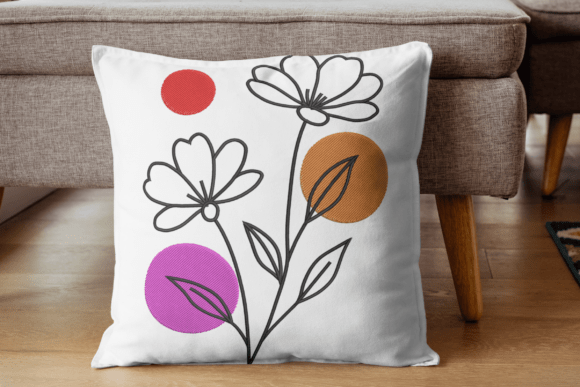
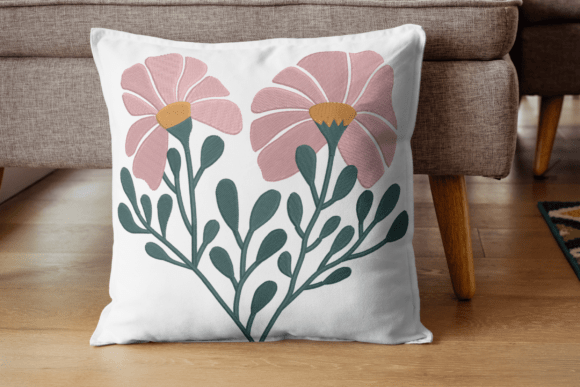
- Small Pouches and Pillow Covers: These smaller items allow for a focal point approach. A single flower on a small fabric pouch makes for an excellent gift item, while on a pillow cover, it adds a sophisticated accent.
The ability to use this Embroidery design across such a wide range of items means I can create a cohesive brand story. Whether it is a market bag or a giftable handmade item, the consistent motif helps build brand recognition for my shop.
Production Realities: Stitch Density and Fabric Texture
While the digital preview looks stunning, the reality of production involves navigating stitch density and fabric texture. One of the biggest risks with floral designs is that they can become dense and heavy if not programmed correctly. If the Flower Embroidery Design-Digital File has too many satin stitches packed tightly together, it can pucker thin fabrics like tea towels or cause tension issues on thick materials like canvas.
I also need to consider the thread colors. Floral designs rely heavily on color blending and shading. If I choose a dark background fabric, I must ensure the design has enough contrast to pop. Conversely, on light linens, pastel threads might disappear unless the stitch count is high enough to provide coverage. Testing the design on scrap fabric is non-negotiable. I will run a test hoop to check if the tiny details hold up or if they get lost in the weave of the material.
Furthermore, the hoop size matters significantly. If this design requires a large hoop, it limits the types of products I can make. I cannot easily embroider a large flower on a small pouch or the front pocket of a shirt. If the file is scalable without losing quality, that is a major advantage for batch production. I need to confirm if the design maintains its integrity when scaled down to a 4x4 inch area for smaller accents.
Selling Strategy: Visual Appeal and Customer Engagement
In the competitive world of commercial embroidery, the finished product must photograph beautifully. Online listings on Etsy or Instagram are where the sale begins. The Flower Embroidery Design-Digital File needs to look crisp in photos. I will create at least one real mockup to see how the light hits the raised threads. A design that looks good in person but washes out in a photo is a missed opportunity.
For the physical booth, display strength is crucial. I plan to hang the embroidered tea towel embroidery samples vertically so the full length and the flower placement are visible. Tote bags will be stacked with the design facing outward. The goal is to show the texture and depth of the stitching. When a customer sees the intricate detail of the flower up close, they perceive higher value. This perception allows me to charge more for the small shop product.
This design also offers great potential for creating printable mockups to sell as part of a larger bundle or to showcase in my social media marketing. Showing the design on different backgrounds helps potential buyers visualize it in their own homes or wardrobes.
Designer Notes: Best Practices for Success
Before launching this line, here are the critical steps I am taking to ensure the Flower Embroidery Design-Digital File performs flawlessly:
- Test on Scrap Fabric: Always run a test on the exact fabric you intend to sell. Check for puckering, skipped stitches, or thread breakage.
- Check Thread Contrast: Ensure the flower stands out against the background. Use a contrasting bobbin thread if necessary to prevent shadows.
- Review Spacing: Leave adequate space around the design. Crowding the flower with other elements can ruin the elegant aesthetic.
- Confirm Hoop Size: Verify that your machine's hoop accommodates the maximum size of the design comfortably.
- Inspect Stitch Density: If the design looks too dense, reduce the pull compensation or adjust the underlay settings to prevent fabric distortion.
- Use the Right Stabilizer: Heavy stabilizers are essential for textured towels and thick canvas to keep the stitches flat and clean.
- Create Real Mockups: Do not rely solely on software previews. Make one physical sample to evaluate the final look.
- Compare Fabric Colors: Test the design on multiple fabric shades to find the most appealing combinations for your target audience.
- Confirm Commercial Licensing: Before selling any finished products, double-check the license terms of the digital embroidery file to ensure you are allowed to sell items made with it.
By following these guidelines, the Flower Embroidery Design-Digital File transforms from a simple digital download into a cornerstone of a successful handmade business. Whether you are a seasoned embroidery business owner or a new creative entrepreneur, focusing on quality execution and strategic product selection will ensure your floral designs capture attention and drive sales.