Home – Embroidery Design with Heart Review
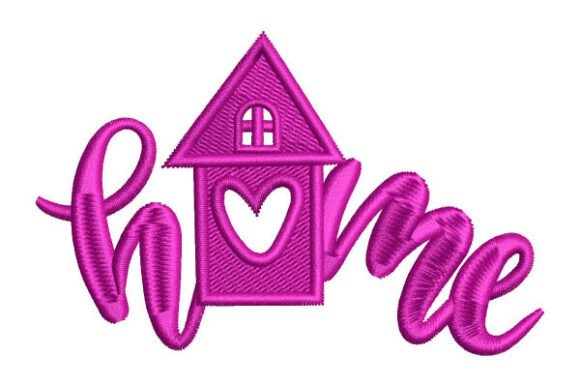
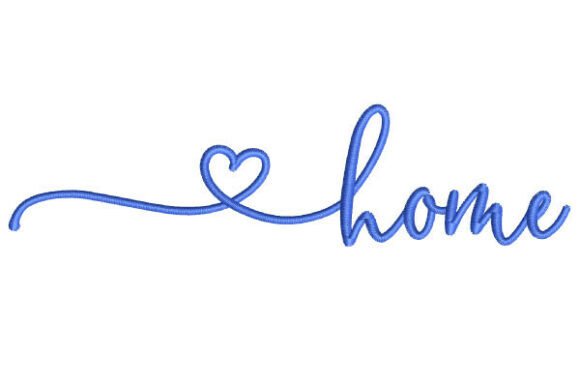
As I set up my craft fair booth this weekend, the table is a chaotic mix of finished goods and half-finished prototypes. Among the stacks of fabric, spools of thread, and hoop stands sits a new machine embroidery design that caught my eye: Home – Embroidery Design with Heart. The concept is deceptively simple—a minimal word design where the letter "o" is replaced by a small heart. Yet, in the world of handmade markets, simplicity often translates to sales velocity. Before I commit to running a batch of these for the weekend rush, I need to evaluate if this specific embroidery file holds up under the scrutiny of real-world production and customer interaction.
First Impressions: Minimalist Charm Meets Emotional Resonance
At first glance, Home – Embroidery Design with Heart exudes a soft, farmhouse elegance without feeling dated. It strikes a delicate balance between modern minimalism and cozy nostalgia. In a crowded booth filled with loud patterns and complex motifs, this design breathes. The substitution of the heart for the "o" is not just a decorative flourish; it is an emotional hook. For customers browsing for a housewarming gift or a sentimental keepsake, the message is instant and clear. It feels premium because it doesn't try too hard. When applied to a high-quality linen tea towel or a sturdy canvas tote, the design elevates the base material from a commodity to a curated handmade product.
The aesthetic is versatile enough to fit into rustic displays or sleek, boutique-style setups. However, its success relies heavily on execution. A design this clean demands precision. If the stitching is messy, the minimalism fails. But if executed well, it becomes a standout piece that whispers quality rather than shouting for attention.
Product Performance: Where Does This Design Shine?
When planning my inventory for the weekend market, I am considering several applications for Home – Embroidery Design with Heart. Here is how I anticipate it performing across different items:
- Tea Towel Embroidery: This is likely the strongest seller. Kitchen linens are high-turnover items at craft fairs. Placing the design in the corner of a natural cotton or linen towel creates a sophisticated look. The texture of the weave adds depth to the stitch density, making the heart pop against the fabric.
- Tote Bag Design: A large canvas tote bag allows the design to be sized up slightly. This works well as a statement piece for eco-conscious shoppers. The durability of the canvas supports the longevity of the embroidery, ensuring the finished product looks good after multiple washes.
- Apron Embroidery: For the home cook, an apron with this motif on the chest pocket is charming. It personalizes the garment instantly. However, I must ensure the placement accounts for the curve of the body so the text remains legible.
- Embroidered Patch: Creating patches is a great way to diversify offerings. Small, iron-on patches featuring this design can be sold individually or as part of a kit. They allow buyers to add the "Home" sentiment to denim jackets or backpacks.
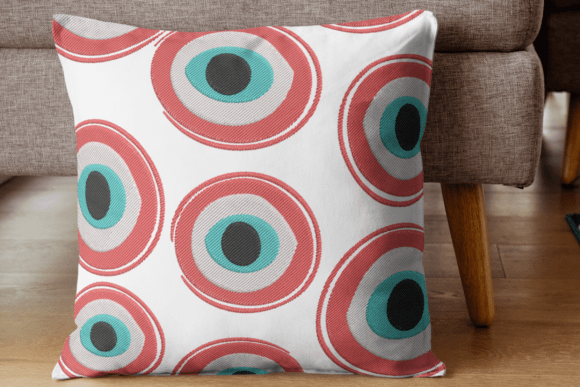
- Pillow Covers and Pouches: These items benefit from the design's symmetry. On a square pillow cover, centering the text creates a focal point. Small fabric pouches for jewelry or trinkets also work well, provided the scale is adjusted correctly.
For the Etsy seller or digital shop owner, this design is excellent for creating printable mockups. The clean lines photograph beautifully, allowing for professional-looking listing images that convey value immediately. Whether selling the physical item or the digital embroidery file, the visual appeal is consistent.
Practical Production Notes for Craft Fair Success
While the design is beautiful, translating it from a screen to a physical craft fair product requires careful planning. As an experienced designer, I know that even the best embroidery file can fail if the production variables aren't managed.
First, consider the hoop size. Since the word "Home" is short, it fits easily into smaller hoops, which is perfect for quick turnaround times. However, do not shrink the design too much. Tiny lettering can lose clarity, especially the heart detail. If the stitches are too dense or the letters too small, the design may look like a blob from a distance, losing its impact on the sales floor.
Fabric choice is critical. On thick, textured fabrics like heavy towels or chunky knits, the thread colors must contrast sharply. I recommend testing the design on scrap fabric first. Use a strong stabilizer to prevent puckering, especially on woven cottons. If the stabilizer is too weak, the fabric will gather around the letters, ruining the clean, modern aesthetic.
Furthermore, pay attention to the design assets regarding colorways. While white thread on navy blue or black thread on cream are safe bets, experimenting with pastel threads on neutral backgrounds can make the product feel more seasonal and fresh. For dark fabrics, use a cut-away stabilizer to support the weight of the thread and ensure the back of the embroidery is neat, as some customers will inspect the inside of their purchases.
Careful Use Notes and Potential Pitfalls
There are specific scenarios where Home – Embroidery Design with Heart might struggle. Avoid using it on highly curved surfaces like standard baseball caps unless you have a specialized cap hoop and frame. The curve can distort the straight lines of the text and the shape of the heart. Similarly, on very loose weaves or stretchy jersey fabrics, the design may warp over time if not stabilized correctly.
Dense stitch areas should be monitored. If the heart is filled with satin stitches, ensure the spacing is wide enough to prevent thread breakage during high-speed production. For batch production, consistency is key. Run a test on every new roll of fabric to confirm that the tension settings remain stable. A single bad run can ruin your reputation for quality at a local market.
Maximizing Visual Appeal and Sales Engagement
The true power of Home – Embroidery Design with Heart lies in its ability to stop a shopper in their tracks. In a sea of generic merchandise, a well-executed, emotionally resonant design creates a connection. When displayed on a tiered stand or hung neatly on a rack, the design draws the eye. It suggests warmth, comfort, and belonging—values that resonate deeply with buyers looking for gifts or home decor.
For the small shop product line, this design offers brand consistency. Using it across various items—towels, bags, and pillows—creates a cohesive collection that encourages multiple purchases. It tells a story of a curated lifestyle. Additionally, for those offering commercial embroidery services, this motif is a reliable go-to for clients seeking timeless designs that won't look out of style next year.
Before finalizing your production run, remember to confirm the licensing terms. Ensure you have the right to sell finished products made from this embroidery file. If you are selling the digital download itself, check the usage rights clearly. Transparency builds trust with your customers.
In conclusion, Home – Embroidery Design with Heart is a robust addition to any maker's portfolio. Its minimal nature belies its potential to drive sales through emotional connection and visual cleanliness. By paying attention to fabric selection, stabilizer use, and stitch quality, you can turn this simple motif into a flagship item for your booth or online store. Whether you are a seasoned embroidery business owner or a creative entrepreneur starting out, this design offers a reliable path to creating products that people want to bring into their homes.