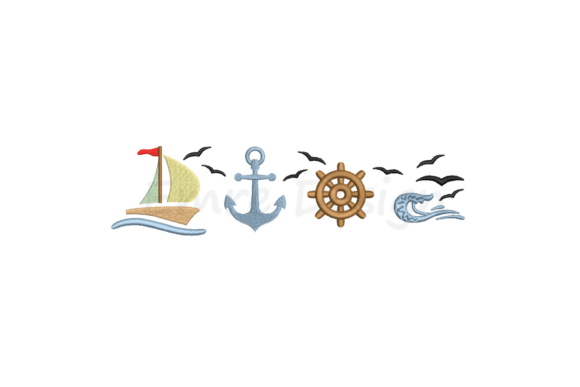
Nautical Embroidery Design: A Craft Fair Review
As I set up my booth for the upcoming weekend craft fair, the table is a sea of potential. Tote bags, aprons, tea towels, and caps are laid out in neat rows, waiting to be transformed from blank canvas to finished product. Today, I am putting the Nautical Embroidery Design through its paces. This isn't just about loading an embroidery file into the machine; it is about evaluating whether this specific machine embroidery design will stop a customer in their tracks or get lost in the shuffle of a crowded market.
First Impressions: Whimsy Meets Market Appeal
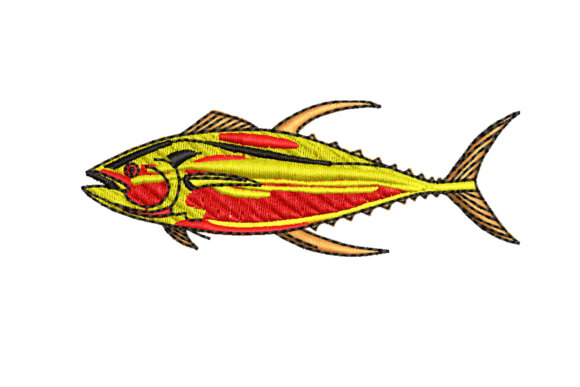
When I first opened the digital preview of the Nautical Embroidery Design, the vibe was immediately clear. It feels charming, fun, and whimsical. In the world of handmade goods, "whimsical" often translates to "giftable." This design doesn't scream high-fashion elegance or rustic farmhouse minimalism; instead, it offers a playful personality that fits perfectly with summer vibes and coastal living. For a craft fair product, this is a significant advantage. Customers browsing a booth are looking for items that evoke a feeling or a memory. The Nautical Embroidery Design taps directly into the love for beach days, sailing, and seaside relaxation without being overly cliché.
The visual weight of the design suggests it works well as a focal point rather than a subtle background element. It has enough detail to look premium but remains simple enough to be understood at a glance. When you are standing across a busy aisle, clarity is king. If a shopper can identify the theme within three seconds, they are more likely to pick up the item. This design passes that test with flying colors.
Product Performance: Where Does It Shine?
To determine the commercial viability of this digital embroidery file, I tested how it translates across various substrates. Here is where the Nautical Embroidery Design truly excels:
- Tote Bags: A tote bag design featuring this nautical motif is a staple for summer markets. Placed centrally on a natural cotton canvas, the thread colors pop beautifully. It transforms a utility item into a statement piece that shoppers want to carry home immediately.
- Tea Towels: Kitchen textiles are huge sellers. As a tea towel embroidery project, this design adds a touch of coastal charm to any kitchen. The whimsical nature makes it perfect for gifts, especially for housewarmings or bridal showers.
- Apron Embroidery: For the foodie crowd, adding this design to the bib of a linen apron creates a cohesive handmade product. It suggests a lifestyle of cooking with joy and hosting summer gatherings.
- Embroidered Patches: Not everyone wants a full garment. Converting this into an embroidered patch opens up new revenue streams. Customers can sew these onto denim jackets, backpacks, or hats, extending the life of the design beyond your original inventory.
- Caps and Small Pouches: On curved surfaces like caps, the design needs to be sized carefully. However, when scaled correctly, it looks fantastic on a baseball cap, appealing to the casual buyer looking for a quick, affordable souvenir.
Production Realities: Stitch Density and Fabric Texture
While the aesthetic appeal is high, the practical execution is where many Etsy sellers stumble. Before committing to batch production for a weekend market, I always run a test on scrap fabric. The Nautical Embroidery Design features some intricate lines that could suffer if the stitch density is too low or the stabilizer is insufficient.
One critical consideration is the fabric texture. On smooth cottons and linens, the design holds its shape perfectly. However, on highly textured towels or thick fleece, the tiny details might get swallowed by the pile of the fabric. If you plan to use this for apron embroidery on heavy canvas, ensure you use a cutaway stabilizer to prevent puckering. Similarly, on dark fabrics, the contrast of the thread colors becomes paramount. You may need to adjust the underlay settings to ensure the white or pastel elements of the nautical theme stand out against navy or black backgrounds.
Another practical note involves the hoop size. This design is versatile, but pushing it to the absolute limit of your hoop can lead to registration issues. If you are producing commercial embroidery products in volume, consistency is key. I recommend sticking to a standard hoop size that allows for easy setup and minimal re-hooping between items. This saves time during the long hours of pre-market preparation.
Visual Strategy for Online and Booth Displays
Selling a small shop product requires strong visuals. Whether you are creating a printable mockup for your online store or arranging physical samples on a table, the Nautical Embroidery Design photographs exceptionally well. The whimsical elements catch the light, making the finished product look soft and inviting.
For your booth display, consider grouping items by color palette. A collection of cream tote bags with blue and white nautical stitching creates a unified look that draws the eye. This brand consistency helps customers perceive your work as professional and curated. When customers see a cohesive collection, they are more likely to buy multiple items. The design acts as a unifying thread—literally and figuratively—tying together your Beach themed collection.
Designer's Checklist for Success
Before you start stitching hundreds of units, run through this quick checklist to ensure your Nautical Embroidery Design projects are profitable and high-quality:
- Test on Scrap Fabric: Never skip this step. Check for pulling, skipped stitches, or thread breaks.
- Check Thread Contrast: Ensure the design pops on your chosen fabric. Dark fabrics often require a white underlay.
- Review Spacing: Make sure there is enough room around the design so it doesn't look cramped on smaller items like pouches.
- Confirm Hoop Size: Verify that the design fits comfortably within your hoop without distorting the image.
- Inspect Stitch Density: Look for areas that might be too dense, which can cause fabric distortion, or too sparse, leading to holes.
- Create Real Mockups: Photograph the actual stitched item, not just the digital preview, for your listings.
- Verify Licensing: Always confirm the commercial embroidery license terms before selling finished goods. Ensure you have the right to sell products made with this design assets.
In conclusion, the Nautical Embroidery Design is a strong contender for any Embroidery business owner targeting the summer market. Its whimsical charm, combined with its versatility across different product types, makes it a reliable asset for generating sales. By paying attention to the technical details of stitch density and fabric choice, you can turn this digital file into a line of beautiful, high-demand handmade products that customers will love to take home.