Small Paisley Design Classic Embroidery Review
As a professional embroidery designer who has spent years translating brand visions into tangible threads, I constantly evaluate new digital embroidery files for their commercial viability. Today, I am reviewing the Small Paisley Design Classic Embroidery. This specific design promises a classic aesthetic that fits neatly into a 10x10cm hoop and comes in two versatile sizes. For small business owners, Etsy sellers, and apparel decorators, finding a motif that balances detail with scalability is often the difference between a premium product and a messy finish. Let's dive into how this machine embroidery design performs when applied to real-world merchandise like branded patches, staff uniforms, and boutique accessories.
First Impressions: A Timeless Motif for Modern Brands
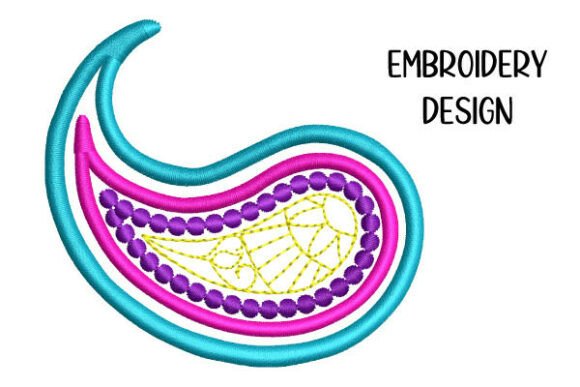
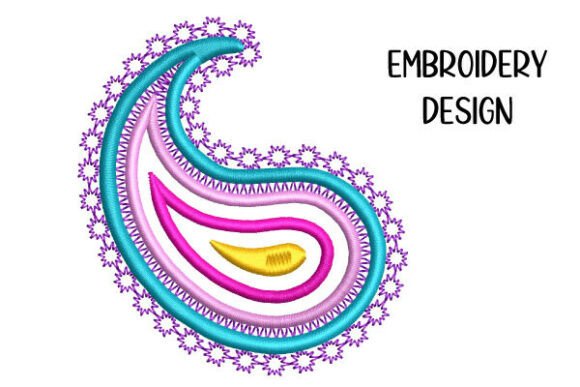
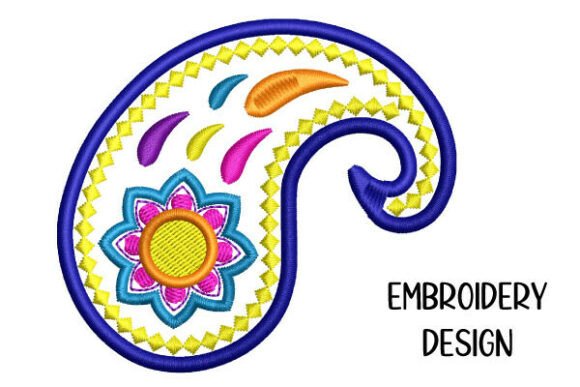
The first thing that strikes me about the Small Paisley Design Classic Embroidery is its inherent elegance. The paisley motif is historically associated with craftsmanship, luxury, and intricate artistry. Unlike trendy, bold graphics that may date quickly, this design feels timeless. It carries a "handmade" charm that resonates deeply with customers seeking authenticity. Whether you run a cozy café, a florist shop, or a creative studio, this design exudes a sense of care and attention to detail. It is not overly loud; instead, it offers a subtle enhancement that elevates the perceived value of the item it adorns.
However, the description notes its "detailed structure." In the world of commercial embroidery, detail is a double-edged sword. While it looks stunning on high-resolution screens, we must ensure that the stitch density translates well onto various fabric textures without causing puckering or thread breakage. For a brand identity built on sophistication, this design is a strong contender, provided it is executed correctly.
Real-World Business Applications
When evaluating an embroidery file for small business merch, I look for versatility. How many different products can this single asset enhance? The Small Paisley Design Classic Embroidery shines in several key areas:
- Branded Patches: This design is ideal for creating woven or embroidered patches. Because it fits within a compact area, it works perfectly as a standalone patch for denim jackets, tote bags, or backpacks. The detailed structure ensures the patch looks rich and textured rather than flat.
- Apron Embroidery: For bakeries, coffee shops, and boutique butchers, aprons are a uniform staple. Placing this design on the chest pocket or lower hem of a linen apron adds a touch of rustic professionalism. It signals to the customer that the business values aesthetics alongside function.
- Tote Bag Design: Canvas tote bags are a favorite for eco-friendly brands. The Small Paisley Design Classic Embroidery provides a sophisticated alternative to screen printing. It adds tactile depth to the bag, making it feel more like a premium accessory and less like disposable packaging.
- Cap Embroidery: While caps require careful sizing, the smaller version of this design could work beautifully on the side panel of a cap or as a subtle accent on the front, provided the stitch count is optimized for curved surfaces.
- Product Labels and Hangtags: Many handmade brands use fabric hangtags to elevate their packaging. This design serves as an excellent logo mark or decorative border on these tags, reinforcing the brand's commitment to quality.
Navigating Technical Challenges and Limitations
While the potential is high, experienced designers know that every digital embroidery file has limitations. The Small Paisley Design Classic Embroidery requires careful handling due to its intricate nature. Here is where you need to exercise caution:
Size Constraints: The design is described as fitting a 10x10cm hoop. If you attempt to scale it down too aggressively for tiny applications like shirt cuffs or very small hat brims, the fine details may get lost or turn into a solid blob of thread. Always test the smallest size intended for your project to ensure legibility.
Fabric Texture and Stabilizer: Detailed structures demand stability. On textured fabrics like terry cloth towels or heavy canvas, the intricate curves of the paisley might struggle to lay flat without significant puckering. You must use a high-quality stabilizer appropriate for the fabric weight. For delicate items, a tear-away stabilizer might suffice, but for stretchy knits used in custom apparel, a cut-away stabilizer is essential to maintain the design's shape over time.
Thread Color Contrast: The visual impact of this design relies heavily on contrast. If you are using dark thread on dark fabric, the "detailed structure" mentioned in the description will vanish. Ensure your chosen thread colors pop against the background material. A monochromatic look can be chic, but only if the texture of the stitches is visible enough to define the shape.
Washing Durability: Items like aprons and staff shirts undergo frequent washing. High stitch density in detailed areas can sometimes lead to stiffness or cracking if not digitized properly. Always wash a sample of the finished product before committing to a bulk order to check for durability.
Impact on Brand Identity and Customer Trust
In the competitive landscape of small business, visual consistency is key. Using a cohesive design asset like the Small Paisley Design Classic Embroidery across your merchandise creates a recognizable brand language. When a customer sees this motif on a tote bag, then on a staff apron, and finally on a gift wrap tag, it builds trust and recognition.
Furthermore, embroidery inherently signals quality. Unlike printed logos that can peel or fade, a well-executed embroidered design suggests longevity. This perception of durability directly influences buyer engagement and willingness to pay a premium price. For handmade brands and Etsy sellers, this tactile element is a powerful marketing tool that distinguishes your products from mass-market alternatives.
Practical Designer Notes for Production
Before you integrate the Small Paisley Design Classic Embroidery into your production line, follow these steps to ensure success:
- Test in Black and White: Start by stitching a test run in black thread on white fabric. This isolates the structure and reveals any gaps or density issues without the distraction of color.
- Verify Hoop Size: Confirm that your machine's hoop matches the 10x10cm specification. If you are using a smaller hoop, you may need to trim the design carefully.
- Create a Printable Mockup: Before sending the file to production, create a printable mockup showing the design on your actual product. This helps clients visualize the final result and approve the placement.
- Check Licensing: Ensure you have the proper commercial licensing for the embroidery file if you plan to sell the finished goods. Never assume a personal license covers business use.
- Compare Assets: Place this design next to other elements of your brand kit. Does it clash with your font choices or color palette? Consistency is vital for a professional look.
- Inspect Spacing: If combining this design with text (like a business name), leave adequate spacing. The detailed nature of the paisley needs room to breathe so it doesn't compete with the lettering.
The Small Paisley Design Classic Embroidery is a robust tool for any decorator looking to add a touch of classic refinement to their offerings. By respecting its technical requirements and leveraging its aesthetic strengths, you can create custom apparel and merchandise that truly stands out. Whether for a local bakery's aprons or a boutique's branded totes, this design offers a pathway to elevated brand presentation.